
Blogs Detail
- Home
- Blogs
Traditional Chinese Tea Culture and the Beauty of Teaware
Introduction Chinese tea culture has a history that spans thousands of years. Tea is deeply connected to art, philosophy, hospitality, and daily life in China. From ancient tea ceremonies to handcrafted teaware, every detail reflects balance, patience, and appreciation for simplicity. Today, traditional Chinese tea culture continues to inspire tea
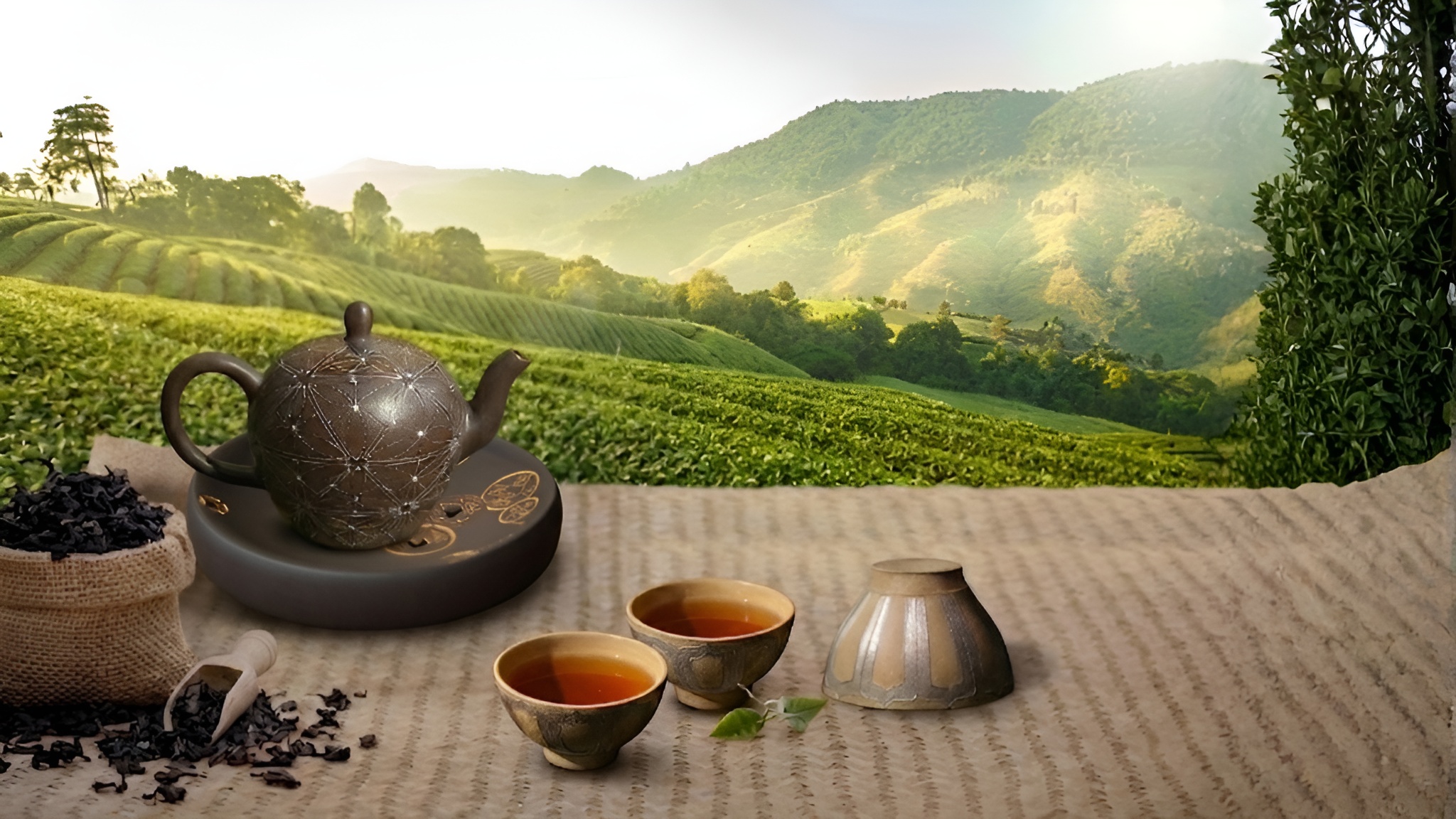
Introduction
Chinese tea culture has a history that spans thousands of years. Tea is deeply connected to art, philosophy, hospitality, and daily life in China.
From ancient tea ceremonies to handcrafted teaware, every detail reflects balance, patience, and appreciation for simplicity.
Today, traditional Chinese tea culture continues to inspire tea lovers around the world.
The History of Chinese Tea Culture
Tea drinking in China began during ancient dynasties and gradually evolved into a refined cultural practice.
Over time, tea became associated with:
- Meditation
- Scholarship
- Hospitality
- Social gatherings
- Artistic expression
Traditional tea ceremonies emphasized calmness, respect, and mindfulness.
The Importance of Teaware
Teaware plays a major role in Chinese tea preparation.
Traditional tea sets often include:
- Teapots
- Tea cups
- Tea trays
- Tea strainers
- Fairness pitchers
- Tea pets
Each piece contributes to the overall tea experience.
Why Zisha Teapots Are Highly Valued
Among all Chinese teaware, Zisha teapots are considered some of the most respected.
Their popularity comes from:
- Handmade craftsmanship
- Natural clay properties
- Excellent brewing performance
- Artistic value
- Cultural heritage
Many collectors spend years building personal teapot collections.
Gongfu Tea Ceremony
One of the most famous traditional brewing methods is Gongfu Cha.
This tea ceremony focuses on:
- Precision brewing
- Small concentrated infusions
- Aroma appreciation
- Mindful preparation
The ceremony usually uses:
- Small Zisha teapots
- Tiny tea cups
- High-quality loose leaf tea
Gongfu tea encourages people to slow down and fully enjoy each tea infusion.
Tea and Mindfulness
Tea culture is closely connected with mindfulness and relaxation.
Preparing tea carefully can help:
- Reduce stress
- Improve focus
- Create peaceful routines
- Encourage meaningful conversations
Many tea enthusiasts view tea preparation as a form of daily meditation.
Collecting Traditional Teaware
Collectors often appreciate teaware for both practical use and artistic beauty.
Factors that influence collectible value include:
- Clay quality
- Handmade craftsmanship
- Artist reputation
- Rarity
- Age
- Design details
Authentic handcrafted Zisha teapots can become treasured family heirlooms.
Modern Appreciation of Chinese Tea Culture
Today, tea lovers around the world are rediscovering traditional Chinese tea practices.
Modern tea enthusiasts appreciate:
- Handmade craftsmanship
- Sustainable tea rituals
- Traditional aesthetics
- Slow living experiences
- Cultural authenticity
As tea culture continues to grow internationally, traditional teaware remains an important symbol of heritage and craftsmanship.
Final Thoughts
Traditional Chinese tea culture is more than a beverage tradition — it is a lifestyle rooted in patience, artistry, and mindfulness.
From handcrafted Zisha teapots to elegant tea ceremonies, every element reflects centuries of cultural wisdom.
Exploring authentic teaware allows tea lovers to connect with tradition while creating peaceful daily rituals that can be enjoyed for years to come.
I’ve created 3 full long-form blog articles for your Zisha Teapot website, including:
- The Art of Brewing Tea with Traditional Zisha Teapots
- How to Choose the Perfect Teapot for Your Tea Style
- Traditional Chinese Tea Culture and the Beauty of Teaware